All Type Of Fashion
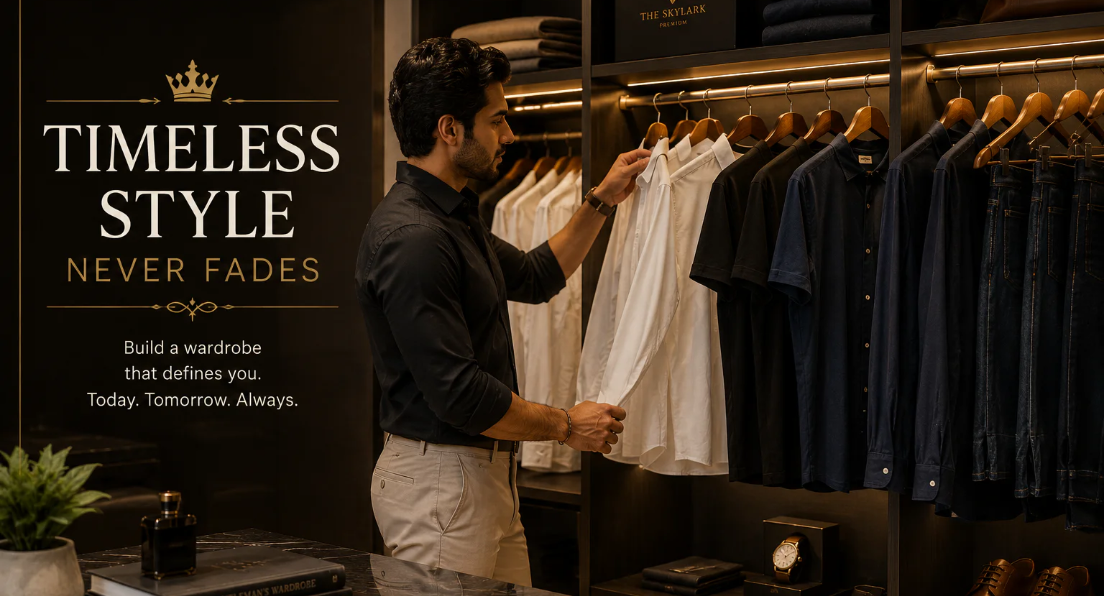
Fashion is constantly evolving, and understanding different fashion styles can help you create a unique and trendy look.
Types of Fashion Design:
What is Fashion Design?
Fashion design is the art of creating clothing, accessories, footwear, and lifestyle products that combine creativity, functionality, and style. A fashion designer uses fabrics, colors, patterns, and trends to create attractive designs that appeal to different audiences.
Fashion design is not limited to clothes. It also includes handbags, jewelry, footwear, and many other fashion products.
Importance of Fashion Design
Fashion design helps:
Express personal style.
Preserve cultural heritage.
Create employment opportunities.
Promote creativity and innovation.
Support the textile and garment industry.
Build successful fashion brands.
India is known for its rich textile traditions, embroidery work, and diverse clothing styles, making fashion design an important profession.
Major Types of Fashion Design
There are several types of fashion design. Each category focuses on different products, audiences, and markets.
1. Haute Couture Fashion Design
What is Haute Couture?
Haute Couture refers to exclusive and custom-made clothing designed for individual clients. These garments are handmade using premium fabrics and detailed craftsmanship.
Features of Haute Couture
Unique and luxurious designs.
Handcrafted garments.
High-quality fabrics.
Personalized fitting.
Expensive and exclusive.
Examples
Bridal lehengas.
Celebrity red carpet gowns.
Designer sarees.
Skills Required
Pattern making.
Draping techniques.
Hand embroidery.
Fabric knowledge.
Attention to detail.
Haute couture fashion design is considered the highest level of fashion creativity.
2. Ready-to-Wear Fashion Design
Ready-to-wear fashion design involves producing garments in standard sizes for mass consumers.
Characteristics
Available in stores.
Affordable compared to couture.
Produced in multiple sizes.
Trend-based designs.
Popular Examples
Casual shirts.
Jeans.
Dresses.
Kurtis.
Tops.
Many Indian brands focus on ready-to-wear fashion design because it has a huge market.
Skills Required
Fashion illustration.
Pattern development.
Trend forecasting.
Production management.
3. Mass Market Fashion Design
Mass market fashion design focuses on producing fashionable clothing for a large number of people at affordable prices.
Features
Low production cost.
Large-scale manufacturing.
Trend-inspired collections.
Budget-friendly clothing.
Examples
T-shirts.
Basic kurtas.
Everyday jeans.
School uniforms.
Mass market fashion design is one of the biggest sectors in India.
4. Luxury Fashion Design
Luxury fashion design focuses on premium quality products with superior craftsmanship.
Characteristics
Exclusive collections.
Premium fabrics.
Fine detailing.
High-end customers.
Products
Designer sarees.
Premium handbags.
Bridal collections.
Formal gowns.
Luxury fashion design combines creativity and elegance.
5. Sustainable Fashion Design
Sustainable fashion design is becoming increasingly popular in India and around the world.
Meaning
Sustainable fashion design focuses on creating eco-friendly clothing while reducing environmental impact.
Features
Organic fabrics.
Recycling materials.
Ethical manufacturing.
Less waste production.
Popular Sustainable Fabrics
Organic cotton.
Bamboo fabric.
Linen.
Hemp.
Khadi.
Benefits
Environment-friendly.
Supports ethical practices.
Reduces pollution.
Promotes conscious fashion.
Many Indian designers are embracing sustainable fashion design because consumers are becoming environmentally aware.
6. Traditional Indian Fashion Design
Traditional Indian fashion design celebrates India's rich cultural heritage.
Famous Indian Garments
Saree Design
Sarees are one of the oldest and most elegant garments in India.
Popular saree styles include:
Banarasi saree.
Kanjeevaram saree.
Chanderi saree.
Bandhani saree.
Silk saree.
Lehenga Design
Lehengas are widely used for:
Weddings.
Festivals.
Engagement ceremonies.
Salwar Suit Design
Salwar suits remain one of the most popular clothing choices among Indian women.
Skills Required
Embroidery techniques.
Textile knowledge.
Color combinations.
Traditional craftsmanship.
Traditional Indian fashion design has a huge market both in India and abroad.
7. Western Fashion Design
Western fashion design focuses on modern and contemporary styles.
Common Western Clothing
Jeans.
T-shirts.
Jackets.
Dresses.
Blazers.
Shorts.
Skirts.
Major Styles
Casual Wear
Designed for everyday comfort.
Formal Wear
Suitable for office and professional settings.
Party Wear
Created for celebrations and special occasions.
Western fashion design is highly popular among Indian youth.
8. Bridal Fashion Design
Bridal fashion design is one of the most profitable areas in the fashion industry.
Products
Bridal lehengas.
Wedding gowns.
Sherwanis.
Sarees.
Reception dresses.
Features
Heavy embroidery.
Premium fabrics.
Handwork details.
Customized fitting.
Popular Fabrics
Silk.
Velvet.
Organza.
Satin.
Net fabric.
Bridal fashion design requires excellent craftsmanship and creativity.
9. Men's Fashion Design
Men's fashion design is growing rapidly in India.
Categories
Casual Wear
T-shirts.
Jeans.
Hoodies.
Formal Wear
Suits.
Shirts.
Blazers.
Ethnic Wear
Kurta pajama.
Sherwani.
Nehru jackets.
Skills Needed
Tailoring techniques.
Pattern making.
Fabric understanding.
Men's fashion design offers excellent career opportunities.
10. Women's Fashion Design
Women's fashion design is one of the largest segments in the fashion industry.
Products
Kurtis.
Sarees.
Dresses.
Tops.
Skirts.
Lehengas.
Important Elements
Fabric selection.
Prints.
Embroidery.
Silhouettes.
Women's fashion design constantly evolves with changing trends.
11. Children's Fashion Design
Children's fashion design focuses on comfort, safety, and attractive colors.
Products
Frocks.
T-shirts.
Shorts.
School wear.
Party wear.
Features
Soft fabrics.
Bright colors.
Comfortable fitting.
The children's fashion market in India is expanding rapidly.
12. Sportswear Fashion Design
Sportswear fashion design creates clothes suitable for physical activities.
Products
Track pants.
Gym wear.
Leggings.
Sports jackets.
Fabrics Used
Polyester blends.
Lycra.
Cotton blends.
Benefits
Comfort.
Flexibility.
Sweat absorption.
Athleisure trends have increased the demand for sportswear fashion design.
13. Streetwear Fashion Design
Streetwear fashion design is inspired by youth culture and urban lifestyles.
Popular Clothing
Oversized T-shirts.
Hoodies.
Cargo pants.
Sneakers.
Features
Bold graphics.
Unique prints.
Relaxed fit.
Streetwear fashion design is extremely popular among Gen Z consumers.
14. Textile Fashion Design
Textile fashion design focuses on creating fabrics and surface patterns.
Work Includes
Fabric printing.
Weaving.
Dyeing.
Embroidery.
Popular Indian Textiles
Khadi.
Silk.
Cotton.
Chiffon.
Linen.
Textile fashion design forms the foundation of the entire fashion industry.
15. Accessory Fashion Design
Accessory fashion design deals with fashion products that complement clothing.
Products
Handbags.
Belts.
Jewelry.
Scarves.
Sunglasses.
Accessories enhance the overall appearance and style of a person.
16. Footwear Fashion Design
Footwear fashion design is a specialized field.
Types of Footwear
Sandals.
Sneakers.
Boots.
Heels.
Formal shoes.
Skills Required
Material knowledge.
Sketching.
Pattern development.
India's footwear industry offers excellent opportunities for designers.
17. Costume Fashion Design
Costume fashion design is mainly used in:
Films.
Television.
Theatre.
Web series.
Costume designers create outfits according to characters and story requirements.
Skills Needed
Historical knowledge.
Styling.
Fabric understanding.
Research abilities.
18. Fashion Illustration Design
Fashion illustration is the art of drawing fashion concepts.
Importance
Helps visualize ideas.
Communicates design concepts.
Supports garment development.
Tools Used
Pencil.
Watercolors.
Adobe Illustrator.
Digital tablets.
Fashion illustration is an essential skill for every fashion designer.
19. Knitwear Fashion Design
Knitwear fashion design focuses on garments made through knitting techniques.
Examples
Sweaters.
Cardigans.
Wool dresses.
Winter wear.
This type of fashion design is popular in colder regions.
20. Digital Fashion Design
Digital fashion design represents the future of fashion.
Technologies Used
CAD software.
AI tools.
3D garment design.
Virtual fitting.
Digital fashion design is becoming increasingly important for modern fashion brands.
Essential Skills Needed in Fashion Design
To succeed in any type of fashion design, you should develop:
Creativity
Creativity is the heart of fashion design.
Sketching Skills
Drawing helps designers express their ideas.
Fabric Knowledge
Understanding fabrics is crucial for creating quality garments.
Color Theory
Colors influence fashion trends and customer preferences.
Pattern Making
Pattern making ensures proper garment fitting.
Sewing Skills
Basic stitching knowledge is essential.
Trend Forecasting
Fashion designers must understand future trends.
Communication Skills
Good communication helps designers work with clients and manufacturers.
Career Opportunities in Fashion Design
After learning different types of fashion design, you can become:
Fashion Designer.
Textile Designer.
Fashion Stylist.
Costume Designer.
Fashion Illustrator.
Merchandiser.
Fashion Blogger.
Fashion Entrepreneur.
Boutique Owner.
Jewelry Designer.
Scope of Fashion Design in India
The Indian fashion industry is growing rapidly due to:
Increasing online shopping.
Social media influence.
Rising demand for designer wear.
Expansion of e-commerce platforms.
Growth of ethnic fashion.
Fashion design has become one of the most promising creative careers in India.
Conclusion
Fashion design is a diverse and exciting field with numerous opportunities. From haute couture and bridal fashion design to sustainable fashion design and digital fashion design, every category offers unique possibilities. Understanding the different types of fashion design helps aspiring designers choose the right specialization and build successful careers.
As the Indian fashion industry continues to evolve, the demand for skilled professionals is increasing. Whether you are interested in traditional Indian wear, western clothing, textile design, or luxury fashion, mastering the right skills and staying updated with trends can help you achieve success in the world of fashion design.
Keywords Used Naturally: Types of Fashion Design, Fashion Design, Fashion Designer, Indian Fashion Industry, Sustainable Fashion Design, Bridal Fashion Design, Textile Fashion Design, Men's Fashion Design, Women's Fashion Design, Traditional Indian Fashion Design, Digital Fashion Design, Luxury Fashion Design, Streetwear Fashion Design, Fashion Design Career, Fashion Design Skills.
Subscribe to our newsletter
Making your finances easy.
About Us
Contact Us
Privacy Policy
Affiliate Disclosure
Terms & Conditions